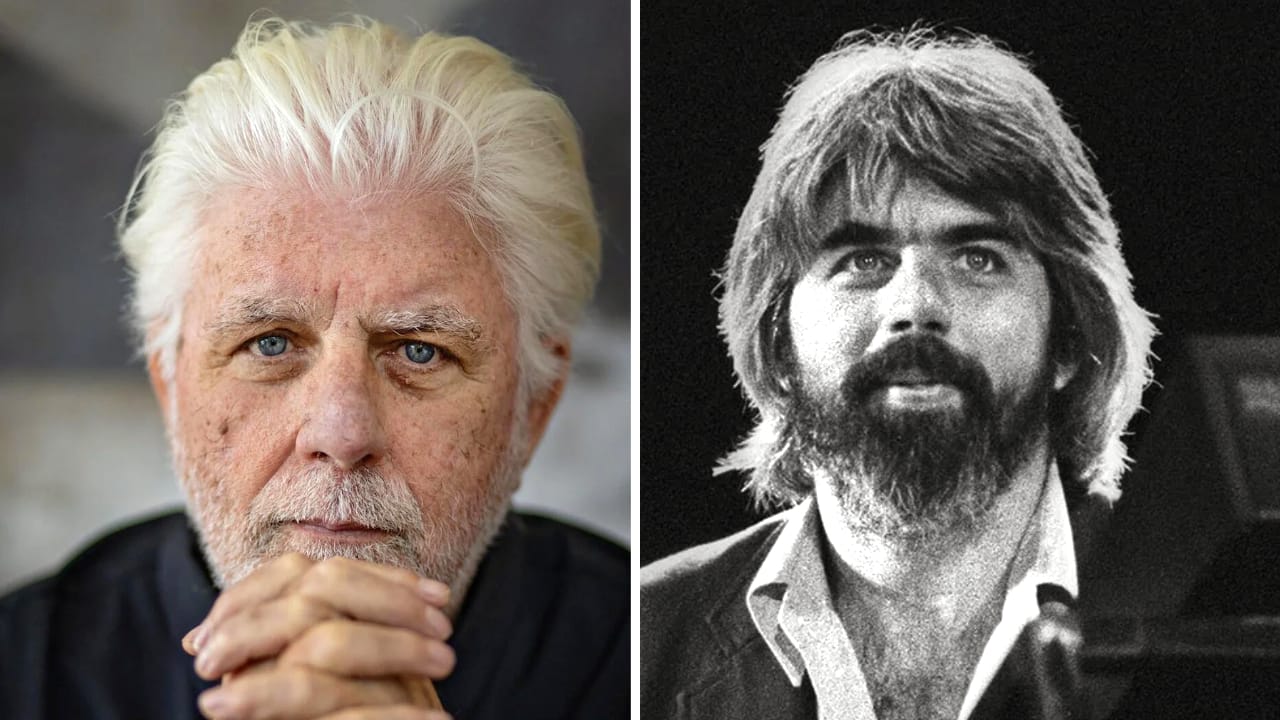



Two years after Rosa Parks took her stand on the bus, she and her husband Raymond Parks moved their family from Montgomery to Detroit in 1957. They moved to escape persistent threats.
For decades, she continued her work in the civil rights movement, serving as a secretary and receptionist for the NAACP and other community organizations until her retirement in 1988.

What should have been a peaceful retirement turned into a nightmare on August 30, 1994. At 81 years old, Rosa Parks was robbed and beaten in her own home. A man broke down her door and falsely claimed he had chased away an intruder. He then asked for a tip.
Mrs. Parks reached into her pocketbook and gave him the three dollars he asked for. The man said, "Aren't you Rosa Parks?" and after she confirmed it, he demanded more money, according to Detroit Police Investigator Daniel Budz.
When she refused, he punched her in the face and threatened further harm, Mrs. Parks eventually gave him all of her money, which was about 103 dollars.
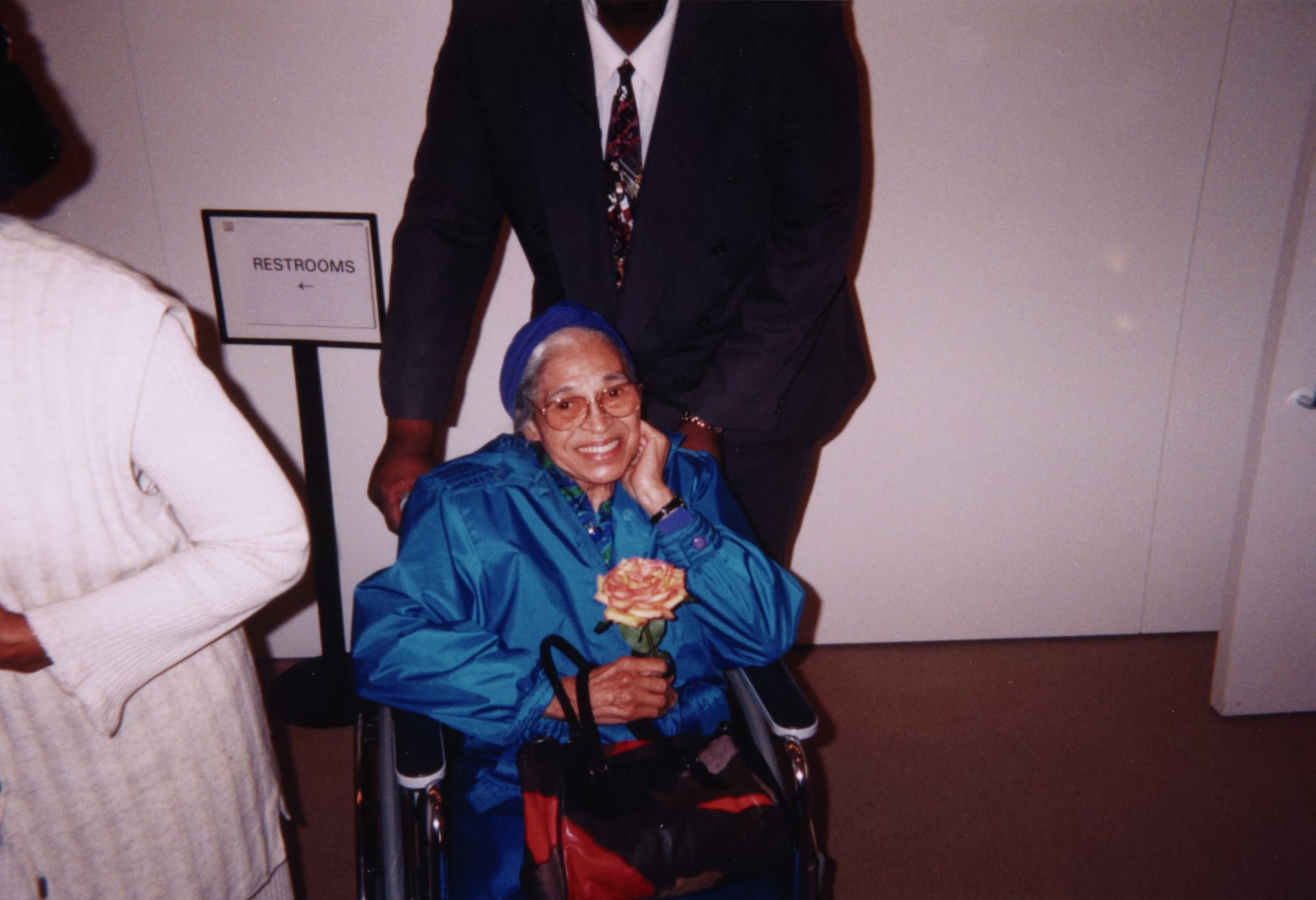
Police documented the incident and launched an investigation that led to the identification of a man named Joseph Skipper in 1995. Skipper was arrested and sentenced to 8 to 15 years in prison. He was released in July 2009, and was charged 37 days later for a similar crime. He is currently serving a 25 year sentence with an expected early release in 2030.
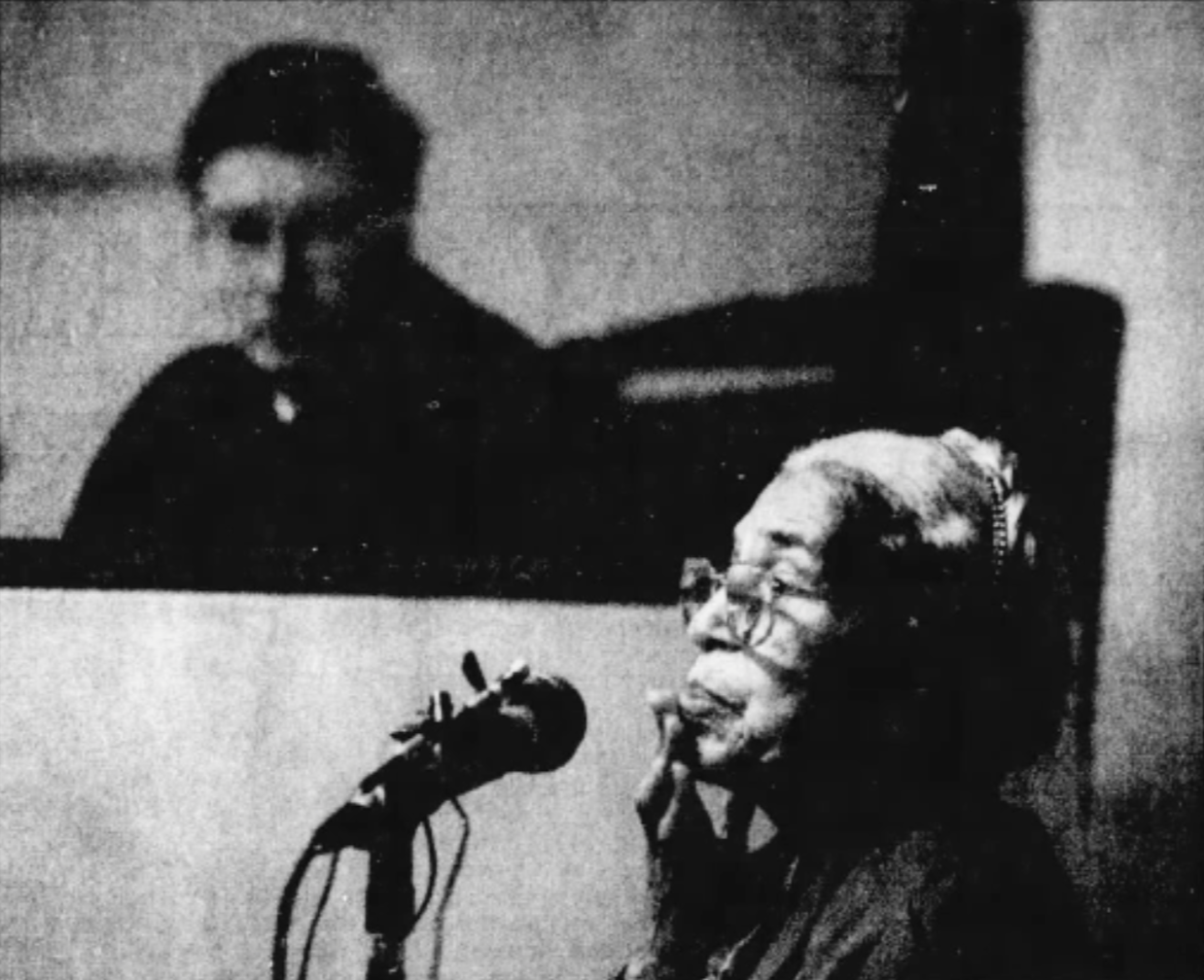
In Jeanne Theoharis' book The Rebellious Life of Mrs. Rosa Parks, Mrs. Parks said, "I tried to defend myself and grabbed his shirt. Even at 81 years of age, I felt it was my right to defend myself."
After the attack, she contacted her close friend, Elaine Steele, who lived across the street. Steele immediately called the police, but it took them 50 minutes to arrive. Mrs. Parks' friends and the Detroit community rallied behind her.
One of Mrs. Parks' closest friends, United States Appeals Court Judge Damon Keith, was heartbroken by what happened to her. He believed Parks deserved a secure and comfortable place to live. Judge Keith worked to find her a safer home at the Riverfront Apartments in downtown Detroit.
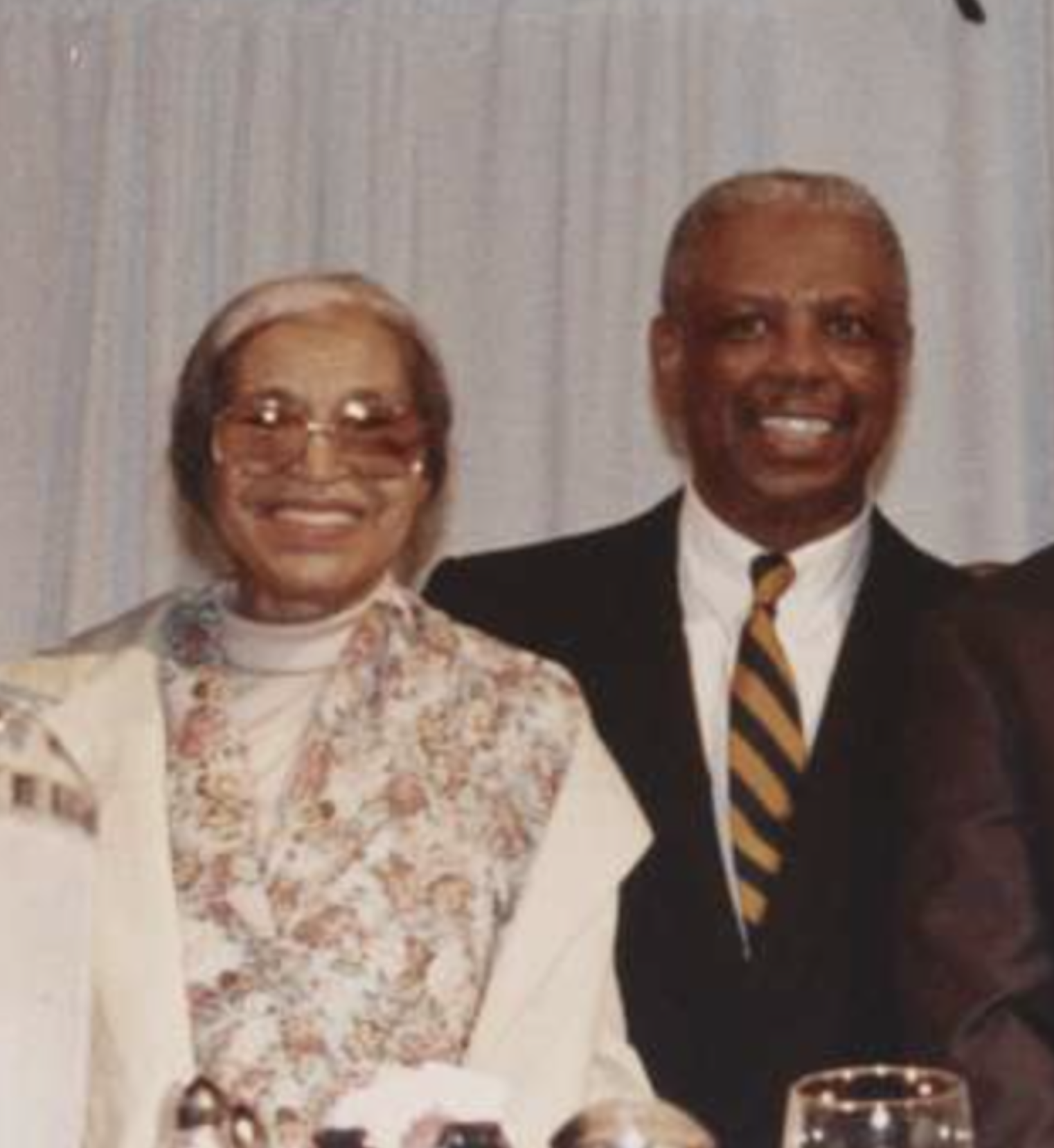
Word of Mrs. Parks' situation quickly spread through Detroit and reached Mike Ilitch, the founder of Little Caesars Pizza. Ilitch was moved by what he heard and was known for his love of the city and its people. He reached out to Judge Keith to see how he could help.
When Keith explained that Mrs. Parks would need ongoing support to cover her rent, Ilitch immediately offered to pay for as long as she needed. For the next 11 years, Mike and his wife Marian Ilitch quietly covered Mrs. Parks' rent. Month after month, they sent the checks and never sought publicity or recognition.

Judge Keith later shared this story in his book Crusader for Justice. He even kept a picture of himself holding one of the checks Ilitch provided.

Ilitch died on February 10, 2017 at 87 years old. He owned the Detroit Tigers and the Detroit Red Wings and was widely respected in the city. In an 2017 CBS Evening News interview, Judge Keith said that Ilitch once told him, "I do not want Rosa going back to that bad neighborhood... He just believed in helping people."


Though Mrs. Parks wanted justice, she did not express anger toward Skipper. She responded with love and resilience, and emphasized the need for community support and guidance for younger generations.
"There is just a great need for more people to be concerned about the young people. Parents, teachers, people in the justice system should be more concerned about their own as well as other people's children," Mrs. Parks said in a 1994 Knight-Ridder interview published in The Seattle Times.
Rosa Parks' husband, Raymond Parks, passed away in 1977. To honor his legacy, she and her friend Elaine Steele co founded the Rosa and Raymond Parks Institute for Self Development in 1987. Their focus was youth empowerment, character building, and education.

Mrs. Parks remained in the Riverfront Apartments until she died on October 24, 2005 at 92 years old. The story of Mrs. Parks and Ilitch continues to be remembered in Detroit.
Ilitch's quiet support for Mrs. Parks shows that everyday acts of kindness can make a lasting difference. In a world that often rewards public gestures, his example is a powerful lesson on giving.